
Paraffin Wax
Paraffin Wax Supplier
Paraffin wax is a petroleum-derived wax widely used where controlled melting, water resistance, surface finish, and formulation stability are required. Its applications range from candle manufacturing and paper coatings to rubber processing, packaging, polishes, adhesives, and selected cosmetic formulations. For industrial buyers, however, choosing the material is not simply a matter of ordering paraffin wax by name. Melting behaviour, oil content, colour, refinement level, packaging, and batch consistency can directly influence processing and finished-product performance.
A dependable Paraffin Wax Supplier should therefore be able to support purchasing decisions with clear product specifications, suitable packaging, consistent supply planning, and relevant technical documentation. Omsys India works with buyers who need to evaluate wax according to application, required properties, order quantity, and handling conditions. Buyers across Kolkata, Siliguri, Asansol, Durgapur, Kharagpur, Odisha, Jharkhand, Bihar, Patna, and Chhattisgarh can also consider delivery planning and regional supply requirements when finalising procurement.
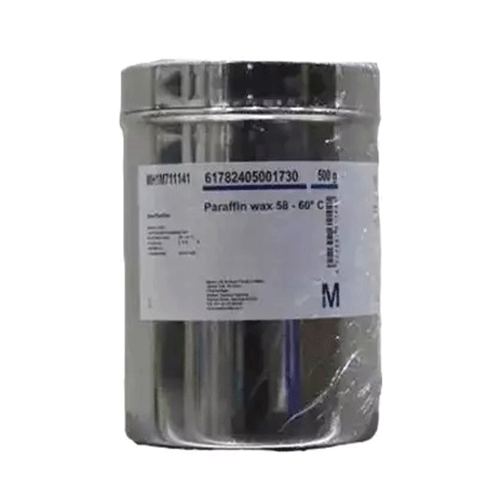
What Is Paraffin Wax?
Paraffin wax is a petroleum-derived material made mainly of saturated hydrocarbons. It is solid at ambient temperature and melts when heated, making it suitable for various industrial processes.
It is generally available in fully refined and semi-refined forms. Refinement affects oil content, colour, odour, and application suitability. Fully refined wax is preferred where cleaner appearance and lower oil content are required, while semi-refined grades suit applications that permit higher oil content.
Different melting-point grades are available for specific applications, including candles, coatings, rubber processing, and technical formulations.
Paraffin Wax Grades and Specifications
Specifications should be reviewed against the intended application rather than treated as isolated numbers. Key parameters commonly considered during industrial purchasing include:
- Melting Point: Indicates the temperature range associated with the wax’s transition from solid to liquid. It affects processing temperature, setting behaviour, and suitability for the final application.
- Oil Content: Residual oil influences wax hardness, surface characteristics, flexibility, and purity. Lower-oil material may be preferred where a cleaner or more refined product is required.
- Colour: Colour and visual appearance matter in candles, coatings, polishes, packaging materials, and other products where the finished appearance is commercially relevant.
- Congealing Point: This property helps indicate the temperature at which molten wax begins to solidify under defined testing conditions. It can be useful when assessing cooling and setting behaviour.
- Penetration: Penetration provides an indication of wax hardness or softness under specified test conditions. It can help technical teams compare materials for applications requiring a particular physical consistency.
- Viscosity: Molten-wax viscosity affects flow, mixing, coating, and processing behaviour. It becomes particularly relevant where the wax is handled in a heated or liquid state.
- Flash Point: This is a safety-related property indicating the temperature at which vapours may ignite under specified test conditions. Buyers should consider it alongside the site’s heating, storage, and handling procedures.
- Packaging: Packaging affects material protection, warehouse handling, transportation, and storage efficiency. The suitable format depends on order volume, handling equipment, and the buyer’s operating environment.
Types of Paraffin Wax
Fully Refined Paraffin Wax
Fully refined paraffin wax undergoes a higher degree of refining, generally resulting in lower oil content and cleaner appearance compared with less-refined material. It is commonly considered for applications where appearance, cleanliness, and controlled physical properties are important.
Semi-Refined Paraffin Wax
Semi-refined paraffin wax retains a higher level of oil than fully refined material. Depending on the application, this can make it suitable for industrial processes where the specification permits the associated characteristics. Buyers should evaluate actual oil content and other product parameters rather than selecting a grade solely based on its name.
Different Melting-Point Grades
Melting-point selection should correspond with processing conditions and the functional requirements of the finished product. A lower or higher melting-point material may be appropriate depending on heating equipment, cooling conditions, formulation, and end-use performance.
Slab or Block Forms
Paraffin wax is commonly handled in solid forms such as slabs or blocks. The preferred format depends on the buyer’s melting equipment, storage arrangements, manual handling requirements, and order volume.
Application-specific selection may also be necessary when the wax is incorporated into specialised formulations. Technical teams should establish the required specification before procurement instead of assuming that one grade will perform equally well across different processes.
Applications of Paraffin Wax
Paraffin wax has a broad industrial application range, although the appropriate grade varies by use.
- Candle Manufacturing: Wax forms the primary body of many candles. Melting behaviour, hardness, colour, oil content, and compatibility with other formulation components can affect appearance, mould release, burning characteristics, and surface finish.
- Paper and Packaging Coatings: Paraffin wax can be used as a moisture-resistant or protective coating in suitable paper and packaging applications. The formulation must be selected according to coating method and required surface properties.
- Rubber Processing: Certain paraffin wax grades are used as processing or protective additives in rubber formulations. Compatibility with the formulation and required performance characteristics should be assessed before selection.
- Match Manufacturing: Wax may be used in match-related processes where appropriate material properties are required for coating or treatment.
- Board and Wood Treatment: Paraffin-based treatments can provide water-repellent characteristics to selected board, wood, and related materials.
- Adhesives and Formulations: Paraffin wax can serve as a component in certain hot-melt and industrial formulations, where its melting and flow characteristics need to align with the formulation design.
- Cosmetics and Personal Care: Selected highly refined waxes may be incorporated into certain cosmetic and personal-care formulations. Buyers should confirm that the material meets the applicable requirements for the intended formulation rather than using a general industrial grade.
- Industrial Coatings and Polishes: Wax can contribute surface protection, water resistance, gloss, hardness, or slip characteristics in suitable coating and polish formulations.
- Electrical and Technical Uses: Certain wax-based materials are used in technical applications where insulation, moisture resistance, sealing, or protective properties are required. Grade compatibility must be assessed according to the specific application.
How to Select the Right Paraffin Wax
Choosing the correct material requires coordination between procurement, production, and technical teams.
Consider the Melting Point
Start with the process temperature and finished-product requirements. The selected melting point should allow efficient melting without creating unnecessary heating demands or adversely affecting the formulation. Cooling and solidification behaviour should also be considered where the product needs a defined finish or setting profile.
Evaluate the Refinement Level
Determine whether the application requires a highly refined material or whether semi-refined wax is technically acceptable. Refinement level can influence oil content, appearance, odour, and overall suitability. The choice should be based on the end product rather than price or terminology alone.
Check Oil Content
Oil content can affect hardness, surface finish, flexibility, and cleanliness. If the application has a defined oil-content requirement, this parameter should be verified from the supplier’s specification or batch documentation before purchase.
Review Colour and Appearance
For candles, coatings, packaging, polishes, and other appearance-sensitive products, colour can influence the finished product. Buyers should specify the required appearance and confirm that the supplied material corresponds to that requirement.
Match Packaging and Quantity
Packaging decisions should reflect monthly consumption, storage capacity, transportation conditions, and available handling systems. Smaller quantities may require different handling arrangements from bulk procurement. The packaging should protect the wax from contamination and physical damage during transportation and storage.
A structured specification review can help purchasing teams avoid ordering material that technically falls under the broad category of paraffin wax but does not meet the process requirements.
Quality Standards and Quality Control
Industrial procurement should be supported by evidence rather than assumptions. Before placing an order, buyers can request and review the documentation applicable to the product and intended use.
Important checks include:
- Batch consistency: Confirm that successive batches are supplied against consistent agreed specifications.
- Product specifications: Review parameters such as melting point, oil content, colour, congealing point, penetration, viscosity, and other application-specific requirements.
- Certificate of Analysis (CoA): Where supplied, a batch-specific CoA can help verify tested characteristics against the stated specification.
- Safety Data Sheet (SDS): Review applicable safety, handling, storage, and emergency information.
- Packaging integrity: Inspect packaging for damage, contamination, moisture exposure, or other issues during receipt.
- Traceability: Maintain batch or lot information where traceability is relevant to production and quality systems.
- Inspection and testing: Buyers with defined incoming-quality procedures should establish which tests are required at receipt and whether supplier documentation is sufficient.
- Storage information: Follow appropriate supplier guidance concerning temperature, contamination control, stacking, and general warehouse conditions.
Omsys India can support procurement discussions around available specifications, documentation, packaging, and order requirements so that technical and purchasing teams can evaluate the material against their intended application.
Why Businesses Prefer a Professional Paraffin Wax Supplier
For industrial procurement, choosing a professional Paraffin Wax Supplier involves more than product availability. Consistent specifications help production teams maintain established processing conditions, while dependable supply planning reduces the risk of material shortages.
Bulk-order support is valuable for manufacturers with changing production schedules. Clear communication regarding quantity, packaging, availability, and dispatch helps procurement teams manage inventory efficiently.
Technical documentation is equally important. Product specifications, applicable CoAs, SDS information, and traceability details support internal approval and quality checks. Omsys India can also assist buyers in discussing product requirements, packaging, specifications, availability, and delivery coordination.
For customers across West Bengal and nearby industrial markets, supply coordination may include Kolkata, Siliguri, Asansol, Durgapur, Kharagpur, Odisha, Jharkhand, Bihar, Patna, and Chhattisgarh.
Conclusion & CTA
Selecting paraffin wax should begin with the application, not simply the product name. Melting point, refinement level, oil content, colour, physical characteristics, packaging, documentation, and supply requirements all influence whether a particular material is appropriate for a manufacturing or formulation process.
If you are evaluating a Paraffin Wax Supplier, contact Omsys India to discuss your required specification, quantity, packaging preference, availability, quotation, or technical documentation. Buyers in Kolkata and surrounding markets, as well as industrial customers across Odisha, Jharkhand, Bihar, and Chhattisgarh, can discuss their requirements with the supply team before placing an order.
FAQs About Paraffin Wax
Q1. What is paraffin wax used for?
Paraffin wax is used in candle manufacturing, paper and packaging coatings, rubber processing, match manufacturing, wood and board treatment, selected adhesive formulations, polishes, industrial coatings, and certain cosmetic and technical applications. The appropriate grade depends on the specific process and end-use requirements.
Q2. What is the difference between refined and semi-refined paraffin wax?
The main difference is the degree of refining and associated characteristics. Fully refined paraffin wax generally has lower residual oil and a cleaner appearance, while semi-refined wax contains more residual oil. The appropriate choice depends on the application’s requirements for purity, appearance, hardness, and other physical properties.
Q3. How do I choose the right paraffin wax melting point?
Consider the temperature required for melting and processing, the cooling or solidification conditions, the formulation, and the performance expected from the finished product. The melting point should be selected against the process specification rather than as a standalone purchasing preference.
Q4. Which paraffin wax specifications should I request before purchasing?
Commonly reviewed parameters include melting point, oil content, colour, congealing point, penetration, viscosity, flash point, and packaging. Additional parameters may be required depending on the application. Buyers should request the relevant product specification and, where applicable, a batch-specific CoA.